Wearing a watch overnight creates a practical scheduling problem before it creates a useful report: the device still needs time to charge. Plan that routine alongside the sleep schedule rather than treating charging as an afterthought.
Review the available controls
Apple’s sleep guide explains schedules, alarms, and related settings on Apple Watch and iPhone. Check the requirements for the features you intend to use, because support can vary by model and software.
Start with a schedule that reflects a realistic week. Review the next alarm and any associated Focus behavior before relying on the arrangement. If an alarm is important, test the configuration in advance rather than discovering its behavior on a critical morning.
Make room for charging
Our practical suggestion is to choose a consistent charging window that does not compete with the period you want to record. Check the battery before bed and confirm that the watch is ready for the intended session.
Comfort matters too. Follow Apple’s wearing and care guidance, and adjust the routine if wearing the device becomes uncomfortable. Tracking should fit the person rather than becoming an obligation to tolerate an unsuitable setup.
Read the information carefully
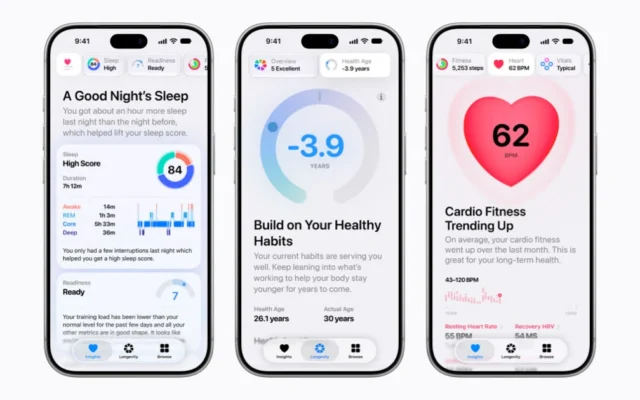
Treat the resulting reports as information about recorded patterns, with the limitations of the device and collection conditions in mind. A gap in wear time or an unusual night can affect what the app has available to show.
This article is about configuring a product, not interpreting symptoms or diagnosing a sleep condition. For persistent sleep concerns or unexpected health information, consult an appropriate professional. The useful technical outcome is a schedule, alarm, and charging routine you understand, with the data viewed in the context of how it was collected.
Sources & further reading
Source material checked November 5, 2026. Availability and software features can change.
Written with AI assistance, checked against the sources linked above, and reviewed by our editorial desk. Analysis reflects our interpretation; product coverage does not imply hands-on testing. How we work